


What Is Radon and Why Is It Tested in Colorado Homes?

You're reviewing an inspection report and there's a line item for radon testing that you weren't expecting. Maybe you've heard the word before without really knowing what it means, or maybe you're wondering why a gas you can't see, smell, or taste is treated as a standard part of buying a home in Colorado. It's a fair question, and the answer has more to do with geology than most homeowners realize.
Here's what is radon and why is it tested in Colorado homes specifically, beyond the generic "it's a health risk" explanation most people have heard without context.
What Is Radon and Why Is It Tested in Colorado Homes? It Starts Underground
Radon is a naturally occurring radioactive gas produced by the decay of uranium in soil and rock. It's colorless, odorless, and tasteless, which is exactly why testing — not your senses — is the only reliable way to detect it. Radon gas moves up through soil and can enter homes through foundation cracks, gaps around pipes, sump pits, or any other opening where the home's structure meets the ground beneath it.
The reason this matters more in Colorado than in many other states comes down to geology. Colorado sits on uranium-bearing rock formations across large portions of the state, including much of the Front Range, which means the soil itself produces more radon than soil in many other regions. This isn't a localized issue limited to a few neighborhoods — the geological conditions that produce elevated radon levels span a wide area, which is part of why testing is treated as standard practice here rather than an optional add-on.
Why This Isn't Just an Old-House Problem
Here's a misconception worth correcting directly: radon isn't a sign of a poorly built or older home. New construction can have elevated radon levels just as easily as a decades-old house, because the gas enters through the foundation and structure regardless of when the home was built or how well it was constructed otherwise. What actually determines radon levels is the geology beneath the home and the specific pathways available for the gas to enter — not the home's age, quality, or visible condition.
This is exactly why radon testing is recommended as part of a real estate transaction regardless of a home's age or apparent condition. A brand-new, well-built home in Denver can test higher than an older home in the same neighborhood, depending on foundation specifics and soil conditions directly beneath that particular lot.
The Health Risk Is Real, But the Timeline Is Long
Radon exposure is linked to lung cancer risk, and it's specifically identified as the second leading cause of lung cancer in the United States after smoking, according to EPA data. What makes this risk easy to underestimate is the timeline — radon-related health risk comes from long-term exposure, typically years of breathing elevated levels in an enclosed space like a basement or main living area, not a single test result or a single bad day. This is part of why ongoing exposure in a home you live in daily matters more than a brief visit to a space with elevated radon.
How Radon Testing Actually Works
Radon testing typically involves placing a testing device in the lowest livable level of the home for a set period, usually 48 hours for a short-term test used during real estate transactions. The device measures radon concentration in picocuries per liter (pCi/L). The EPA's action level — the threshold at which mitigation is recommended — is 4.0 pCi/L, though some health organizations suggest considering mitigation even below that threshold given that there's no fully "safe" level of long-term radon exposure, just diminishing risk at lower concentrations.
Why Testing During a Real Estate Transaction Specifically Matters
A connection that's easy to miss: radon mitigation systems are relatively straightforward to install, but the timing during a real estate transaction creates leverage that doesn't exist after closing. Buyers who test during the inspection period can negotiate mitigation costs into the transaction itself, while a homeowner discovering elevated radon levels after move-in is covering that cost entirely on their own with no negotiating room. This is one of the more practical reasons radon testing during the buying process matters beyond the health considerations alone — it's also a financial timing issue.
What Elevated Results Actually Mean for a Transaction
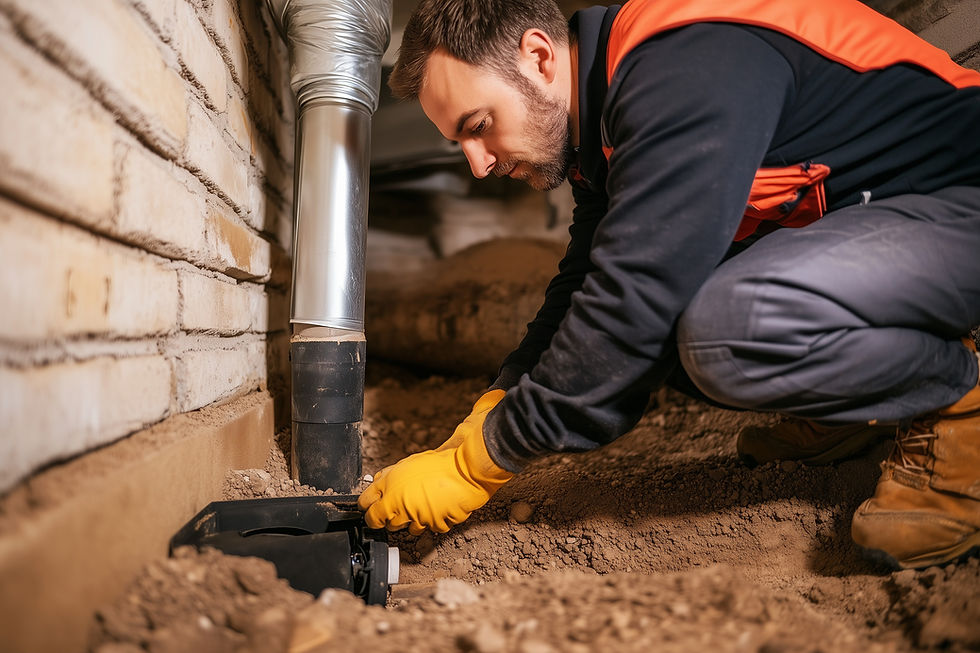
An elevated radon result doesn't typically derail a sale — mitigation systems are a well-established, relatively affordable fix involving a vent pipe and fan system that redirects radon gas from beneath the foundation to the outside before it can enter the home. What it does mean is that the result becomes part of the negotiation, whether that's the seller installing mitigation before closing, a credit toward the buyer installing it after, or some other agreed split.
Beyond Real Estate: Why Testing Periodically Still Matters
Even outside of a transaction, radon levels in a home can change over time due to settling, foundation changes, or renovations that alter airflow and pressure dynamics in the lower level of the home. Homeowners in Denver, Aurora, and Thornton who've lived in their home for years without testing — particularly if the home was bought before radon testing became standard practice — may benefit from a periodic check even with no transaction pending, given how straightforward testing is relative to the health stakes involved.
Getting an Accurate Test as Part of Your Inspection
Because radon levels can vary based on specific testing conditions — closed-house protocols, weather, and even foundation specifics unique to your lot — getting a properly conducted test matters as much as testing at all. A rushed or improperly conducted test can produce misleading results in either direction. For homeowners or buyers in Denver, Aurora, or Thornton wanting an accurate read before a transaction or just for peace of mind, contact 5280 Home Inspection today to schedule a radon test alongside your home inspection.


Comments